Why do some movies have black bars? A brief guide to the history and artistic choices behind cinematic aspect ratios.
If you've ever wondered why your TV displays black bars at the top and bottom of certain movies, the answer lies in the aspect ratio.
What is an Aspect Ratio?
An aspect ratio is simply the proportional relationship between the width and height of an image. Your standard modern TV is 16:9 (or 1.78:1).
Common Ratios
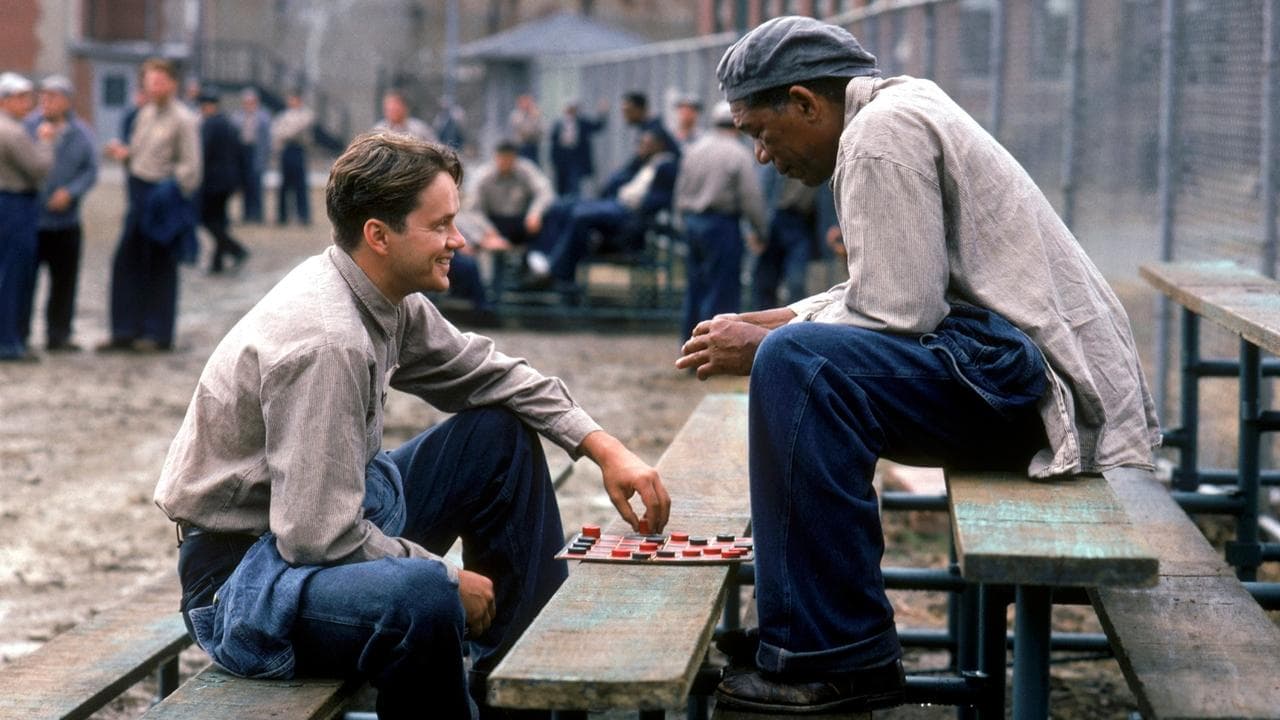
- 4:3 (1.33:1) - The classic television format, used in older sitcoms and classic Hollywood films.
- 16:9 (1.78:1) - The standard for modern widescreen TVs and most digital video.
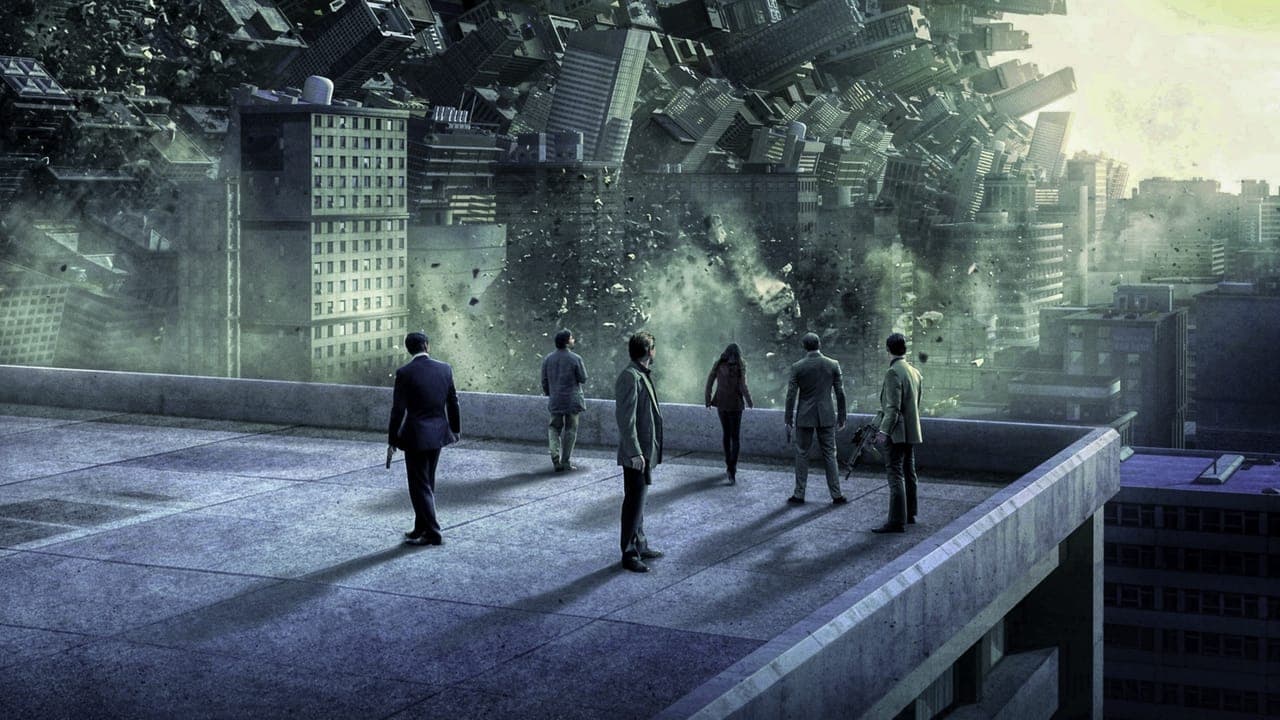
- 2.39:1 - CinemaScope. The ultra-wide format used for massive blockbusters and epics.
When a 2.39:1 movie is played on a 1.78:1 TV, black bars (letterboxing) are added to preserve the director's original ultra-wide framing without cropping the sides.
"The frame is the window through which you see the world."
So next time you see those black bars, remember: you're seeing the film exactly as the director intended.